
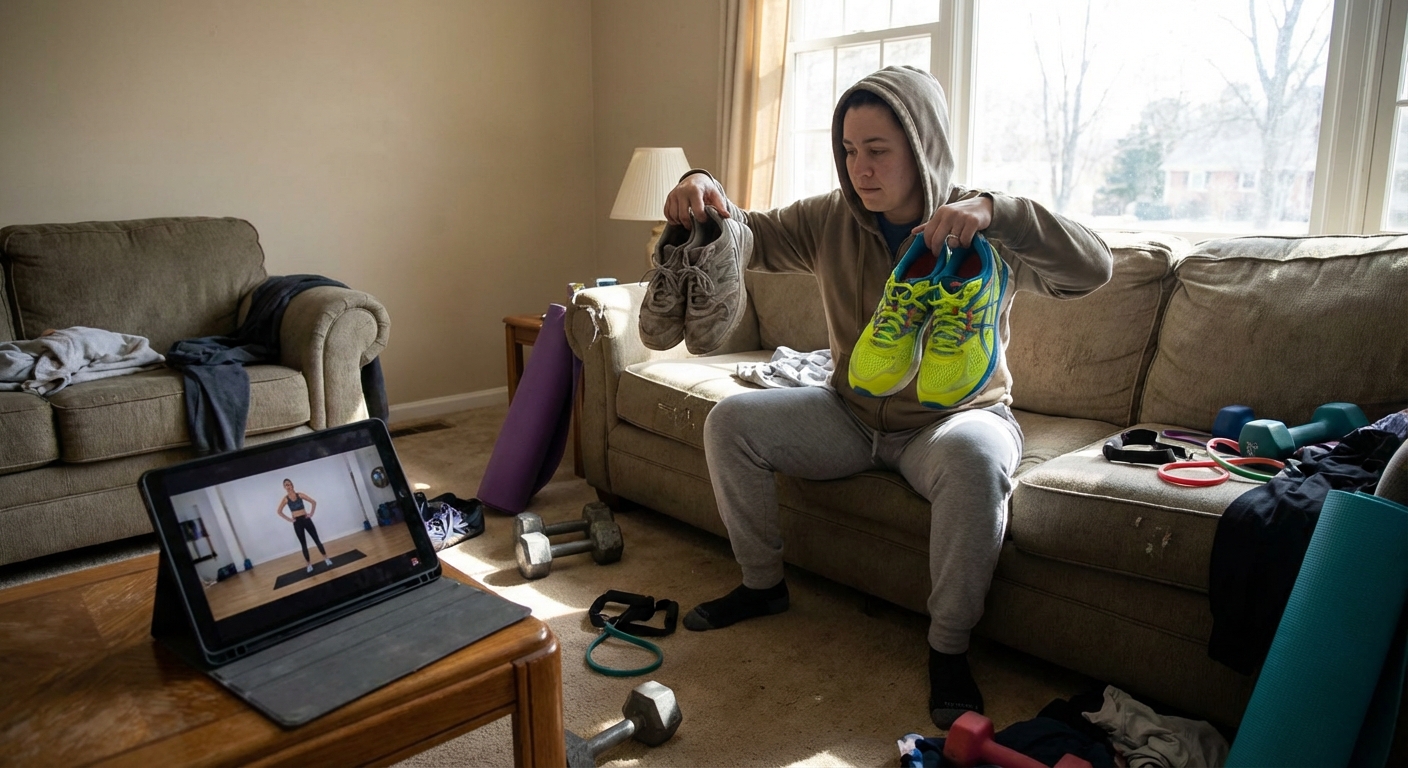
High-tech fabrics, smart watches, and color‑coordinated outfits don’t automatically create better workouts. What does? Clear movement patterns, progressive overload, and gear that supports how you train.
Skip the Hype: Gear Should Serve Your Movement, Not the Other Way Around
This guide flips the usual script. Instead of asking, “What gear should I buy?” it asks, “How do you move—and what do you actually need to move better?”
We’ll break it down by training style—strength, hypertrophy, conditioning, and mobility—then align specific gear, form cues, nutrition, and tracking strategies with each.
1. Strength-Focused Athletes: Stability and Force Transfer
If your primary goal is to lift heavier—squats, deadlifts, presses—your gear should maximize stability and safety.
Key Gear
- Flat or lifting shoes
- Weightlifting belt (for heavy sets)
- Chalk or straps (strategic use)
- Fitted, non‑restrictive clothing for clear joint visibility
Sample Strength Session (Full Body, 3x/Week)
Day A
- Back squat or front squat – 5×3–5
- Bench press – 5×3–5
- Barbell row – 4×5–6
- Deadlift – 5×2–4
- Overhead press – 4×4–6
- Pull-up or pulldown – 4×6–8
Day B
Alternate A and B with at least one rest day between.
Form Tips Amplified by Good Gear
- Shoes: With flat, stable soles, practice rooting your feet—tripod stance and slight external rotation at the hips to keep knees tracking over toes.
- Belt: Inhale into your belly and sides, press your core outward against the belt, and maintain that pressure through the lift.
Nutrition to Support Strength
- Protein: 1.6–2.2 g/kg/day
- Carbs: higher on heavy lifting days; include 30–60 g before training for fuel
Track
- Top set weight × reps for each main lift
- Weekly estimated 1RMs (calculate from submaximal sets)
- Video form checks for depth, bar path, and spinal position
2. Hypertrophy (Muscle Gain): Pump, Tension, and Comfort
For muscle growth, the focus is on total volume, tension, and proximity to failure. Gear should help you control range of motion and maintain stable positions, not simply allow heavier weights.
Key Gear
- Adjustable dumbbells or machines
- Elbow/knee sleeves for joint warmth if needed
- Compression tops or tights (optional, for feedback and comfort)
Sample Hypertrophy Push/Pull/Legs Split
Push (Chest, Shoulders, Triceps)
- Dumbbell bench – 3×8–12
- Incline press – 3×8–12
- Lateral raise – 3×12–15
- Triceps extension – 3×10–15
- Pull-up or pulldown – 3×8–12
- Single-arm row – 3×10–12/side
- Face pull – 3×12–15
- Curl variation – 3×10–15
- Squat or leg press – 3×8–12
- Romanian deadlift – 3×8–12
- Lunge or split squat – 3×10/leg
- Leg curl – 3×10–15
Pull (Back, Biceps)
Legs (Quads, Glutes, Hamstrings)
Gear-Driven Form Enhancements
- Fitted clothing or compression helps you see and feel full range of motion and symmetry.
- Stable shoes reduce wobble in lunges and squats, improving muscle tension on the target muscles.
Nutrition for Growth
- Slight calorie surplus: ~200–300 kcal above maintenance
- Protein: 1.6–2.2 g/kg/day
- Carbs: prioritize around workouts (before/after) for energy and recovery
Track
- Volume load (sets × reps × weight) per muscle group per week
- Pumps and mind‑muscle connection quality (subjective notes)
- Body measurements and progress photos every 4 weeks
3. Conditioning & Fat Loss: Breathability and Consistency
If your main goal is improved endurance, body composition, or general conditioning, your gear must prioritize comfort, temperature regulation, and low friction.
Key Gear
- Breathable, moisture‑wicking clothing
- Well‑fitted running/cross‑training shoes
- Sports watch or app for heart rate and pacing
Example Conditioning Week
Day 1 – Intervals (Bike or Treadmill)
- 5‑minute warmup
- 10 intervals: 1 minute hard, 1–2 minutes easy
- 5‑minute cooldown
- 30–40 minutes at conversational pace (Zone 2)
- 30 seconds each, 4–6 rounds:
- Kettlebell swings
- Pushups
- Goblet squats
- Jump rope
Day 3 – Steady-State (Run, Row, or Fast Walk)
Day 5 – Mixed Circuit
Form + Gear Tips
- Choose moisture‑wicking fabrics to minimize chafing during longer efforts.
- Replace running shoes every ~300–500 miles to maintain cushioning and joint protection.
Nutrition for Energy and Fat Loss
- Mild calorie deficit: ~300–500 kcal below maintenance for fat loss
- Keep protein high to retain muscle
- Carbs timed around higher‑intensity days for performance
Track
- Weekly average bodyweight (not daily swings)
- Distance/time and heart rate for steady sessions
- Interval paces and recovery speed
4. Mobility and Recovery: Supportive, Non-Restrictive Gear
If you’re rebuilding from injury, managing stress, or focusing on movement quality, your gear needs are simple but important.
Key Gear
- Comfortable mat
- Foam roller / massage ball
- Soft, non-restrictive clothing
Sample Mobility Routine (Daily or 3–5x/Week)
- 90/90 hip rotations – 8/side
- Thoracic spine open books – 8/side
- Ankle rocks (knee over toes) – 10/side
- Deep squat hold (support as needed) – 30–60 seconds
Form Cues
- Move within a mild discomfort range, not pain.
- Control breathing—inhale through the nose, exhale slowly through the mouth.
Nutrition for Recovery
- Adequate protein and total calories to support tissue repair
- Colorful fruits and vegetables for micronutrients and antioxidants
- Hydration to support joint lubrication and tissue health
Track
- Range of motion: how deep you can squat, overhead reach distance
- Aches/pain rating (0–10) across weeks
- Sleep quality and energy levels
Matching Gear to Your Current Level
If You’re a Beginner
- Focus on comfortable clothing and shoes suitable for your primary activity.
- Start with bodyweight, bands, or light dumbbells.
- Avoid specialty equipment (belts, heavy wraps) until technique is solid.
If You’re Intermediate
- Refine gear to your training style (lifting shoes for squat‑heavy programs, quality runners for mileage).
- Add a belt and straps only for targeted use in heavy sets.
If You’re Advanced
- Use gear as performance multipliers—specific shoes, specialized bars, tailored compression.
- Rely on meticulous tracking and video review to squeeze more from small gear adjustments.
A Simple 4-Week Experiment: Does Your Gear Match Your Training?
- Week 1: Log your current workouts and note any discomfort, form breakdowns, or limitations tied to gear.
- Week 2: Make one targeted change (e.g., swap squishy running shoes for flat shoes on strength days).
- Week 3: Adjust another variable (e.g., breathable clothing for long cardio; add a belt on top sets only).
- Week 4: Compare performance, comfort, and recovery.
If a gear change doesn’t clearly improve your training, you learned something valuable—and saved money.
Form comes first. Once your movement patterns are solid, the right gear refines, protects, and amplifies your efforts so you can keep progressing for years.