
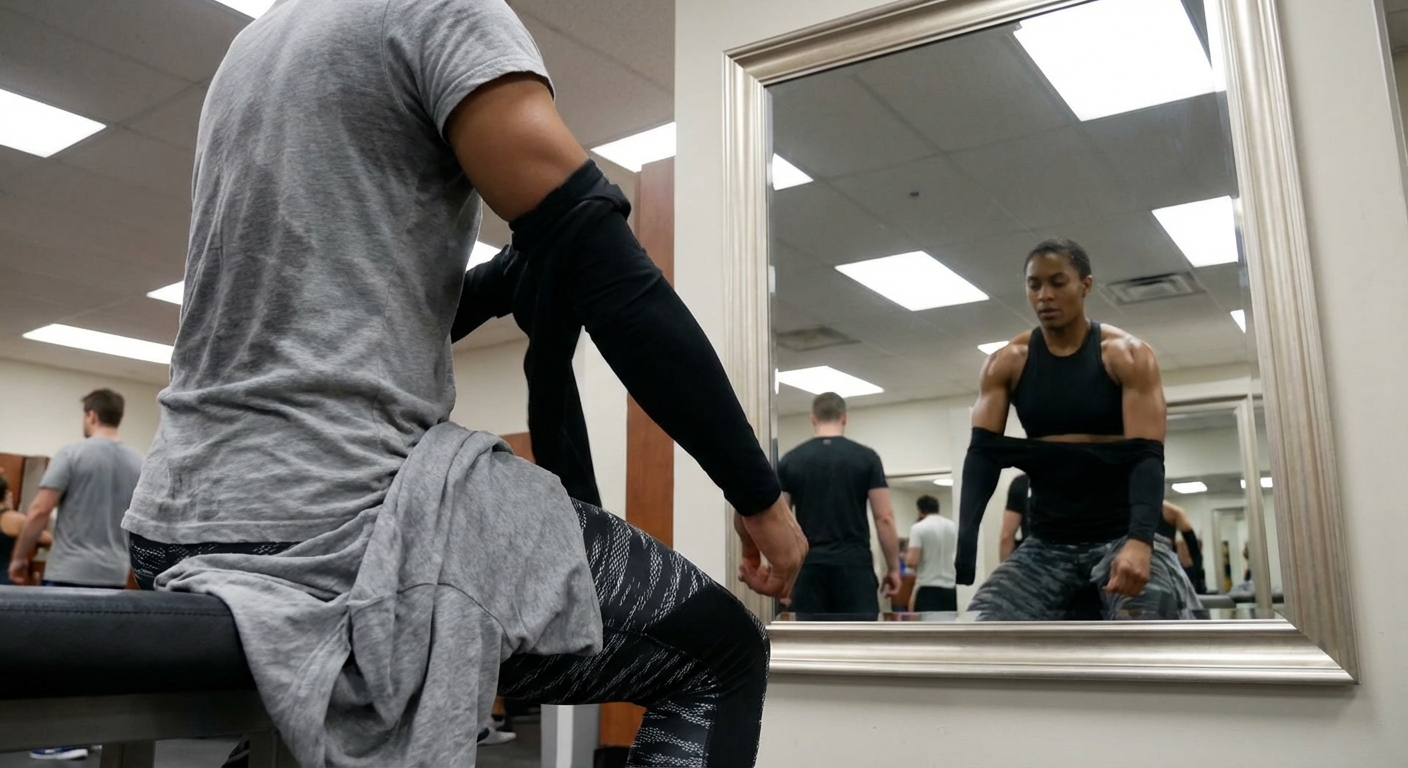
Walk into any gym and you’ll see a mix of old cotton shirts, high-tech compression gear, minimalist shoes, and everything in between. It’s easy to think, “Gear doesn’t really matter—hard work does.” Effort is non‑negotiable, but the right gear can boost performance, improve safety, and even keep you more consistent.
Why Your Workout Gear Matters More Than You Think
Research in exercise science repeatedly shows that clothing, footwear, and supportive equipment can influence biomechanics, temperature regulation, and perceived effort. When you move better and feel better, you train better—and that compounds over time.
This guide breaks down smart gear choices, with practical routines, form tips, nutrition science, and progress tracking strategies for every level.
The Science of Performance Clothing
Moisture Management: Why Fabric Matters
Old-school cotton traps sweat, becomes heavy, and increases chafing. Technical fabrics (polyester blends, nylon, merino wool) wick moisture away from the skin.
Studies show that garments that manage moisture help maintain a more stable body temperature and reduce discomfort, especially in longer sessions. That translates into:
- Lower perceived exertion (your workout feels easier)
- Less risk of chafing and skin irritation
- Better focus on form instead of fidgeting with soaked clothes
- For strength training: choose a moisture‑wicking, slightly fitted top so you can clearly see your joint positions.
- For HIIT or cardio: prioritize breathable mesh panels and lightweight fabrics.
Actionable tip:
Compression Gear: Hype or Helpful?
Compression garments gently squeeze muscles, potentially improving venous return (blood flow back to the heart) and reducing muscle oscillation.
Research is mixed on big performance gains, but more consistent on these benefits:
- Reduced muscle soreness post‑workout
- Slight improvements in power output in some athletes
- Better perception of stability and “muscle awareness”
- Long runs or heavy leg days (compression tights/socks)
- Recovery days and travel after intense sessions
Best uses:
Footwear: The Foundation of Safe Movement
Your shoes are your primary interface with the ground. The right pair can improve stability, force transfer, and joint alignment.
Strength Training Shoes
For squats, deadlifts, presses, and Olympic lifts, you want:
- Stable, flat or slightly heeled sole – improves force transfer
- Minimal cushion – reduces energy leaks and wobble
- Wide toe box – allows toes to splay and grip
- Flat trainers or barefoot-style shoes for deadlifts
- Weightlifting shoes with a raised heel for squats and Olympic lifts
- In squats, think “tripod foot”: pressure evenly in the heel, base of big toe, and base of little toe. A firm shoe helps you feel this more clearly.
Lifters often choose:
Form tip with proper shoes:
Cardio & Running Shoes
Look for:
- Cushioning appropriate to your distance and body weight
- A secure heel and midfoot
- Enough flex in the forefoot for natural push‑off
Avoid using the same soft, squishy running shoes for heavy lifting; that instability can alter knee and hip mechanics under load.
Essential Gear for Full-Body Training at Any Level
1. Resistance Bands
Light, portable, and versatile, bands are ideal for warm‑ups, activation, and accessory work.
Beginner full‑body band circuit (2–3 rounds):
Banded glute bridge – 12–15 reps
Banded row (anchored) – 12 reps
Banded chest press – 10–12 reps
Banded lateral walk – 10 steps each direction
Banded overhead press – 10–12 reps
Rest 60–90 seconds between rounds.
Form tip: Maintain tension in the band throughout each rep—don’t let it snap back. Control the eccentric (lowering) phase for 2–3 seconds.
2. Adjustable Dumbbells or Kettlebells
If you train at home, a set of adjustable dumbbells or a pair of kettlebells unlocks nearly endless options.
Intermediate strength routine (3x/week):
Day A
- Goblet squat – 3×8–10
- Single-arm row – 3×10/side
- Floor press – 3×8–10
- Farmer carry – 3×30–40 seconds
- Romanian deadlift – 3×8–10
- Half‑kneeling press – 3×8/side
- Kettlebell swing – 3×12–15
- Plank – 3×30–45 seconds
Day B
Alternate A and B days with at least one rest day between.
Form tips:
- Keep the weight close to your body—especially in rows and deadlifts—to protect your lower back.
- Neutral spine: avoid rounding or excessive arching by bracing your core (imagine preparing for a gentle punch).
3. Lifting Belt, Straps, and Wrist Wraps (Advanced)
For experienced lifters pushing heavy loads:
- Lifting belt can improve intra‑abdominal pressure and trunk stability.
- Straps help on heavy pulls when grip is the limiting factor.
- Wrist wraps support the joint during pressing and overhead work.
Use them as performance enhancers, not crutches. Build raw strength and only add gear when technique is solid.
How Nutrition Supports Gear-Optimized Training
The best gear won’t fix under‑fueling. You need the raw materials to adapt to your training.
Protein: Building and Repairing Tissue
Most active people benefit from:
- 1.6–2.2 g of protein per kg of body weight per day
- Muscle repair from training stress
- Maintenance of lean mass during fat loss
Spread across 3–5 meals, this supports:
Carbohydrates: Fuel for Performance
Carbs power moderate to high‑intensity training. For most lifters and recreational athletes:
- 3–6 g/kg/day works well, scaled by training volume.
- 20–40 g of easily digestible carbs (fruit, oats, rice cakes)
- 20–30 g protein
- 20–40 g protein
- 30–60 g carbs
Pre‑workout (60–90 minutes before):
Post‑workout (within 2 hours):
Hydration also matters: even ~2% bodyweight loss from dehydration can impair performance. Aim for steady intake across the day and sip water during training.
Tracking Progress: Let Your Gear Tell a Story
Consistent tracking keeps you motivated and honest. Use your gear as anchors for measurable goals.
Simple Metrics to Track
- Strength: weights used, sets, reps (written in a notebook or app)
- Endurance: distance, time, or intervals (watch or phone)
- Consistency: checkmarks on a calendar for each completed session
- Gear milestones:
- Fewer blisters or joint aches with better shoes
- Ability to move to heavier dumbbells
- Longer intervals in your compression tights before fatigue
A 4‑Week Progress Template
- Week 1: Establish baseline numbers for key lifts, cardio distances, and bodyweight movements.
- Week 2–3: Slightly increase load (2.5–5%) or volume (1–2 more reps) while keeping form crisp.
- Week 4: Deload or maintain weight and focus on perfect technique and recovery (sleep, nutrition).
Reassess discomfort levels—if joint pain is down and performance is up, your gear selections are working with you, not against you.
Bringing It All Together
You don’t need the most expensive brand names. You need gear that:
- Fits your body and movement style
- Supports stable, efficient form
- Keeps you comfortable enough to push hard
Start with breathable clothing and appropriate footwear; add bands or weights; then, as your training advances, consider compression gear, belts, and wraps.
Train with intention, fuel with purpose, and choose gear that helps you move better. Over weeks and months, those small advantages add up to stronger lifts, faster runs, and a more resilient body.