
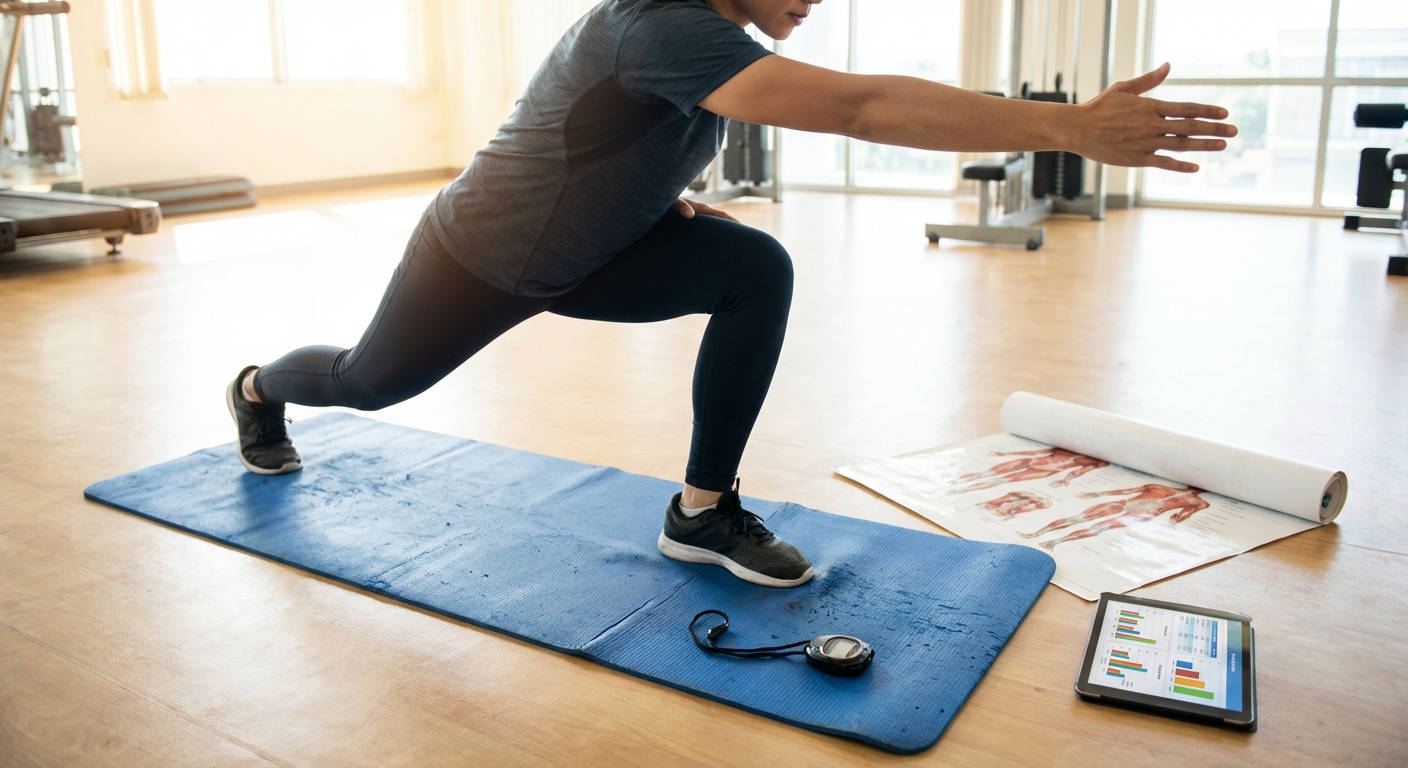
Static stretches, dynamic mobility drills, foam rolling, yoga classes—if you’re trying to move better, it can feel like a menu without guidance.
Flexibility Training Isn’t One-Size-Fits-All
Where does yoga actually fit? And is it better than traditional stretching for flexibility, or just different?
This guide compares yoga with other popular flexibility methods, then shows you how to combine the best of each into a practical plan.
What We Mean by "Flexibility" (and Why It Matters)
Flexibility is passive range of motion—how far a joint can move when an outside force (gravity, a strap, your hand) helps. Mobility is active range of motion—how far you can move and control a joint.
For athletes and fitness enthusiasts, both matter. You want:
- Enough flexibility to access healthy positions (deep squat, overhead reach)
- Enough mobility and strength to control those positions under load
Yoga primarily trains both together—but not all styles are equal.
How Yoga Compares to Other Flexibility Tools
1. Yoga vs. Static Stretching
Static stretching = holding a muscle at end range for 15–60 seconds without moving.
Pros:
- Simple, accessible
- Can reduce muscle stiffness acutely
- Useful post-workout to target specific areas
- Minimal strength component
- Overdone pre-max lifting can temporarily decrease peak power in some individuals
Cons:
Yoga differences:
- Combines static holds with active engagement (muscles working while lengthened)
- Integrates breathing, which can reduce muscle guarding
- Uses multi-joint, multi-plane positions instead of isolated muscles
Studies suggest yoga can produce similar or greater flexibility gains than static stretching alone, with added benefits like improved balance and mental focus.
2. Yoga vs. Dynamic Mobility Drills
Dynamic mobility = controlled, often repetitive movement through a joint’s range (leg swings, arm circles, CARs).
Pros:
- Excellent warm-up tool
- Builds active range and motor control
- Less likely to reduce acute power compared to long static holds
- Limited time under tension at end range
- Less emphasis on relaxation and down-regulation
Cons:
Yoga differences:
- Slower tempo and longer holds build end-range tolerance
- Flowing sequences offer a blend of dynamic and static work
- Great for post-workout or dedicated mobility sessions, not always ideal as a fast warm-up
3. Yoga vs. Foam Rolling/Myofascial Release
Foam rolling aims to temporarily change tissue tone and perception of tightness.
Pros:
- Can reduce soreness perception for some people
- Good as a prep for stretching or yoga
- Effects are usually short-lived without follow-up movement
- Doesn’t build strength or long-term range of motion by itself
Cons:
Yoga differences:
- Uses active positions to teach your nervous system to accept new ranges
- Builds strength and control, helping changes stick
4. Yoga vs. Loaded Mobility (Strength at End Range)
Loaded mobility uses resistance (weights, bands) in lengthened positions.
Pros:
- Strong stimulus for long-term mobility and resilience
- Very specific to athletic positions
- Higher technical demands
- Requires equipment and coaching
Cons:
Yoga differences:
- Bodyweight-based; equipment optional
- Great entry point into end-range strength for most people
- Can be combined with loaded work for advanced athletes
When Yoga Is the Best Flexibility Tool—and When It Isn’t
Yoga is ideal when:
- You need both flexibility and relaxation (stress, sleep, recovery issues)
- You want full-body, integrated mobility work
- You prefer guided, structured movement instead of isolated stretches
Other tools may be better alone when:
- You have 3–5 minutes pre-lift → dynamic drills beat a full yoga flow
- You need to target one stubborn area (e.g., single muscle post-rehab) → precise static stretch or loaded mobility can be more specific
In reality, you don’t have to choose one. You can stack methods intelligently.
A Comparison At a Glance
| Method | Best For | Limitations |
|---|---|---|
| Yoga | Full-body flexibility + calm focus | Time, varying class quality |
| Static Stretching | Simple, targeted post-work flexibility | Low strength component |
| Dynamic Mobility | Warm-ups, active control | Less end-range time |
| Foam Rolling | Short-term tension relief | Needs movement to cement gains |
| Loaded Mobility | End-range strength & resilience | Skill, equipment, coaching helpful |
How to Make Yoga the Center of Your Flexibility Plan
Use yoga as your base and plug other tools in where they shine.
Step 1: Anchor 2–3 Yoga Sessions Per Week (20–30 Minutes)
Sample structure:
Warm-Up (5 minutes)
- Cat–Cow - Gentle dynamic lunges - Shoulder circles
Key Yoga Poses (15–20 minutes)
Focus on multi-joint positions that hit common tight spots:
- Downward-Facing Dog – calves, hamstrings, shoulders
- Low Lunge and Crescent Lunge – hip flexors
- Pigeon or Reclined Figure-4 – glutes/hips
- Wide-Leg Forward Fold – adductors/hamstrings
- Bridge Pose – hip extension, glutes, spine
Breath & Reset (2–3 minutes)
- Simple slow breathing in a comfortable lying or seated pose.
Step 2: Add 3–5 Minutes of Dynamic Mobility Before Lifting
Right before strength or cardio workouts:
- Leg swings (front/back and side-to-side)
- Arm circles and band pull-aparts
- Hip circles and ankle rockers
This wakes your system up without overly relaxing muscles at the wrong time.
Step 3: Use Targeted Static Stretching After Training
After your main workout (lifting or cardio):
- Choose 2–3 muscles that worked hardest.
- Hold 30–60 second static stretches for each.
- Example: Quad stretch after squats, calf stretch after runs.
Step 4: Use Foam Rolling Strategically
- 5–10 minutes before yoga or stretching on stubborn areas (quads, TFL/IT band area, upper back).
- Follow with active movement or yoga to help "lock in" the improved range.
Form Tips That Apply Across Methods
Regardless of the tool you use, these principles protect you:
- Seek stretch, not strain: Aim for 3–6/10 intensity. Back off if you feel sharp, burning, or joint pain.
- Slow exhale = safer stretch: Use the exhale to ease deeper, whether in yoga, static stretching, or loaded mobility.
- Joint alignment matters:
- Knees track over toes in lunges/squats.
- Spine is "long" rather than aggressively arched or rounded.
Nutrition and Recovery: The Hidden Side of Flexibility
Tool choice matters—but so does your internal environment. Tightness is often made worse by:
- Inadequate sleep
- High stress and sympathetic (fight-or-flight) dominance
- Chronic under-fueling and dehydration
To support all your flexibility work:
- Hydrate consistently: Not just during workouts. Sip throughout the day.
- Hit protein targets: 1.6–2.2 g/kg bodyweight for active individuals.
- Eat enough carbs: Especially around training, to support the nervous system and tissue repair.
- Prioritize sleep: 7–9 hours; flexibility improvements are consolidated when you recover.
Yoga’s breathing and mindful pacing can directly reduce stress hormones, making it uniquely positioned to improve both your mindset and your movement capacity.
How to Measure What’s Actually Working
Every 4 weeks, reassess:
- Forward Fold range (distance from fingers to floor)
- Deep Squat depth and comfort
- Overhead reach (can you bring arms overhead without ribs flaring?)
Also monitor:
- How you feel the day after hard training
- Joint comfort during lifts and runs
- Sleep quality on yoga vs. non-yoga days
If yoga-centric weeks consistently leave you moving better and recovering faster, you’ve got your answer.
The Bottom Line: Yoga Is a Flexible Tool for Flexibility
Yoga doesn’t have to compete with stretching, mobility drills, or strength work. It:
- Integrates flexibility, mobility, and strength
- Uses breath to unlock protective tension
- Provides structured, full-body movement patterns
For most everyday athletes, the best flexibility plan places yoga at the core, with smart support from other methods. Start with 2–3 yoga sessions per week, layer in short dynamic warm-ups before training, and sprinkle in targeted static stretches after.
Let the results—not the hype—decide. Your joints, muscles, and performance will tell you what’s working.